Ventilator pressure assistance plays a critical function in ensuring individual safety and comfort during mechanical ventilation. The ins and outs of ventilator setups can have extensive effects on individual outcomes, making it essential for medical care experts to grasp the concept thoroughly. This article will certainly look into the numerous facets of ventilator pressure support, its relevance in professional settings, and the training needed to ensure optimal use.
What is Ventilator Support?
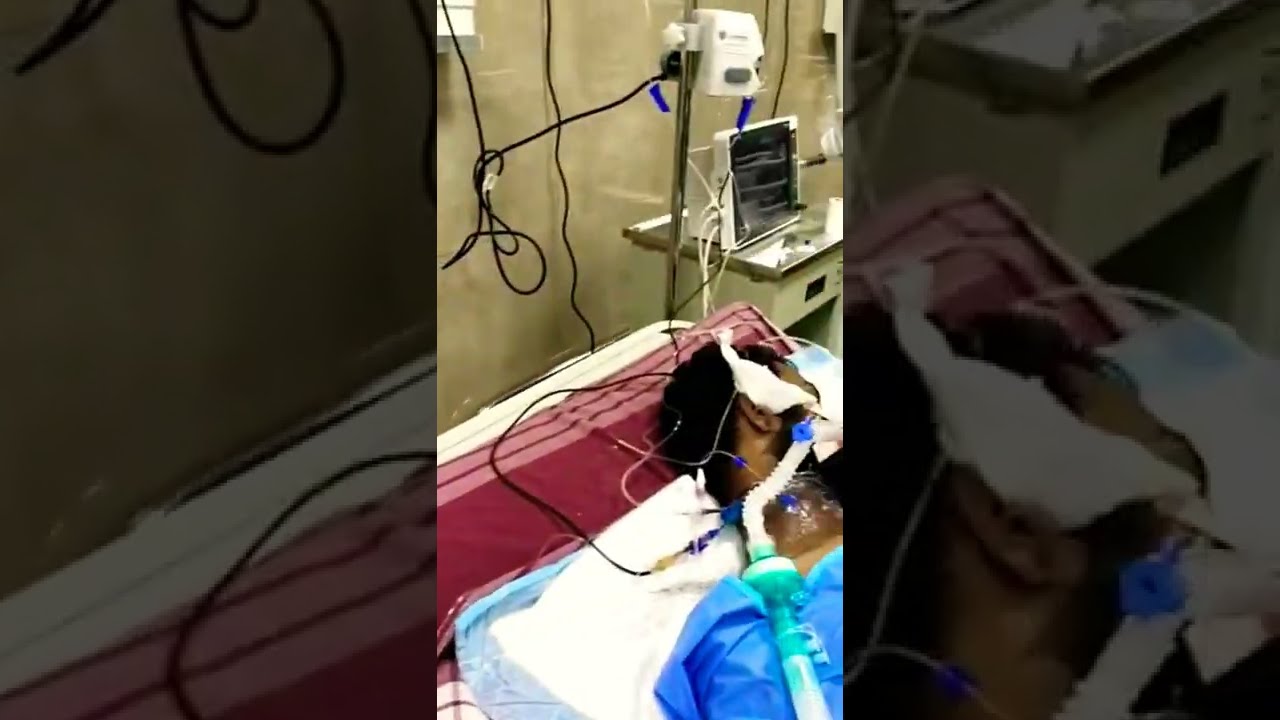
Ventilator support refers to the help offered by a mechanical ventilator to people that are incapable to breathe sufficiently on their own. This aid can range from supplying complete breathing assistance to assisting spontaneous breathing efforts.
Types of Ventilator Support
Understanding the different types of ventilator support is crucial:
- Continuous Positive Air passage Pressure (CPAP): Preserves a constant level of positive pressure throughout the respiratory system cycle. Bi-Level Positive Respiratory tract Stress (BiPAP): Offers two degrees of pressure-- one for breathing and another for exhalation. Pressure Assistance Ventilation (PSV): Sustains spontaneous breaths by providing a pre-programmed quantity of pressure throughout inhalation.
Each kind has its application and understanding these differences adds to effective respiratory tract monitoring and ventilation strategies.
Why Comprehending Ventilator Pressure Support is Vital for Patient Safety
Ventilator pressure assistance not just guarantees ample gas exchange yet additionally avoids possible difficulties connected with mechanical air flow. advanced airway and ventilation skills Improperly readjusted stress setups can result in barotrauma, volutrauma, and even hemodynamic instability.
The Importance of Keeping track of Ventilator Settings
Regularly keeping an eye on ventilator settings enables doctor to readjust based on real-time individual needs. Changes might tracheostomy and ventilator training be required because of changes in lung technicians, client convenience, or clinical status.
Key Specifications in Monitoring
Peak Inspiratory Pressure (PIP) Plateau Pressure Tidal Volume Respiratory RateMonitoring these parameters offers insight into just how well the ventilator is sustaining the individual's breathing efforts.
The Function of Basic Ventilator Training Course in Training Medical Care Professionals
A basic ventilator training course is important for any individual involved in air passage monitoring and ventilation methods. These training courses use fundamental knowledge that improves medical skills necessary for handling patients calling for ventilatory support.
Curriculum Overview
- Introduction to mechanical ventilation Understanding various settings and settings Hands-on practice with ventilators Troubleshooting common issues
Such courses empower registered nurses and other medical professionals with practical abilities crucial for reliable person care.
Ventilation Training Programs: A Necessity for Modern Healthcare
The evolving landscape of healthcare needs that experts stay upgraded with best practices via specialized ventilation training courses. These programs bridge knowledge spaces and prepare specialists for complicated scenarios they may encounter in the ICU or emergency department.
Benefits of Specialized Training
Improved person outcomes Enhanced self-confidence in managing ventilated patients Better communication amongst health care teamsInvesting time in sophisticated training pays rewards concerning both safety and effectiveness in patient care.
Ventilator Training for Nurses: Enhancing Scientific Competence
Nurses play a necessary role in taking care of ventilated individuals, necessitating targeted training details to their demands. Understanding how to operate a ventilator successfully can considerably affect client safety and security during crucial interventions.
Essential Skills Gotten Via Training
- Operating different ventilator modes Assessing patient-ventilator synchrony Recognizing alarm signals
These abilities help nurses react promptly to changes in a patient's condition, ensuring prompt treatments that protect life.
Tracheostomy and Ventilator Training: An Important Component
Training related especially to tracheostomy treatment combined with ventilation methods prepares medical care experts for unique obstacles related to lasting air passage management.
Key Elements of Tracheostomy Care
Maintenance of patency Suctioning strategies Infection prevention proceduresFamiliarity with these components promotes an environment conducive to safe, efficient care delivery.
Airway Monitoring and Ventilation: Fundamental Knowledge
Airway management is indispensable to risk-free ventilation practices; recognizing the interplay in between respiratory tract control and mechanical assistance is important for all healthcare providers associated with crucial care settings.
Techniques Used in Respiratory tract Management
Endotracheal intubation Bag-mask air flow Use of accessories like laryngeal masksMastering these strategies enhances general proficiency when coupled with knowledge concerning mechanical air flow settings.
NDIS Air flow Training course: Meeting Certain Needs
For specialists functioning within structures like the National Handicap Insurance Coverage Plan (NDIS), specialized education concentrated on air flow methods tailored in the direction of people with specials needs comes to be imperative.
Course Features
Individualized analysis techniques Techniques certain for home-based care Collaboration approaches with multidisciplinary groupsSuch focused training makes sure that specialists are outfitted to deliver safe and efficient care within this unique context.
Common Obstacles Encountered Throughout Mechanical Ventilation
Navigating mechanical ventilation calls for recognition of potential hurdles that could endanger individual safety and security:
1. Equipment Malfunction
Regular upkeep checks lessen dangers associated with devices failing throughout critical moments.
2. Person Discomfort
Strategies must be carried out quickly if discomfort manifests via frustration or bad compliance observed with tracking devices.

3. Inadequate Communication Amongst Providers
Effective interaction improves synergy among caregivers, consequently enhancing reaction times throughout emergencies including mechanically ventilated patients.
FAQs Concerning Ventilator Stress Support
1. What is the main objective of making use of stress assistance on a ventilator?
The primary objective is to aid clients' spontaneous breathing initiatives while guaranteeing appropriate oxygenation without over-distending the lungs.
2. How does one identify ideal stress support levels?
Appropriate levels are determined through assessments such as blood gas evaluations, tidal volume competence, and total professional image-- including comfort degrees showed by the person throughout spontaneous breaths.
3. Can way too much pressure support be harmful?
Yes! Too much stress can bring about problems such as lung injury or discomfort; consequently regular tracking is extremely important concerning changes made according to individual requirements or modifications observed over time.
4. What should I do if my patient's peak inspiratory pressures are consistently high?
Consult your establishment's protocols pertaining to troubleshooting-- this might entail changing sedation degrees or reflecting on endotracheal tube placement among other considerations depending upon the person's overall condition!
5. Exist any type of details credentials needed prior to taking a basic ventilator course?
Generally speaking, medical care specialists-- specifically those included directly with critically sick patients-- are urged but not mandated; nonetheless prior experience with basic respiratory physiology absolutely aids understanding throughout such coursework!
6. How commonly ought to personnel undertake correspondence course related specifically in the direction of comprehending modern technologies used within mechanical ventilation method today?
It's recommended that correspondence course occur a minimum of each year-- this maintains team abreast growths impacting finest methods while addressing knowledge destruction with time experienced by many experts post-initial training completion!

Conclusion
Understanding why understanding ventilator pressure support is important for individual safety can not be overemphasized-- it is fundamental not only for reliable treatment however likewise as an honest commitment in the direction of optimum care delivery requirements throughout different medical fields today! Spending time right into comprehensive training programs such as basic ventilator training courses or specialized workshops geared in the direction of boosting one's expertise ensures that every expert stays prepared-- ultimately safeguarding lives against avoidable issues arising from inadequate understanding surrounding essential elements within respiratory system administration procedures used daily throughout our health care systems worldwide!
This comprehensive summary illustrates how vital it is for healthcare specialists-- from registered nurses taking part actively within direct bedside functions-- to involve completely within discovering environments made explicitly around these vital aspects contributing why recognizing ventilator stress supports so substantially influences general success rates seen throughout diverse populations relying upon assisted breathing mechanisms among heightened vulnerabilities particular amongst them alike!